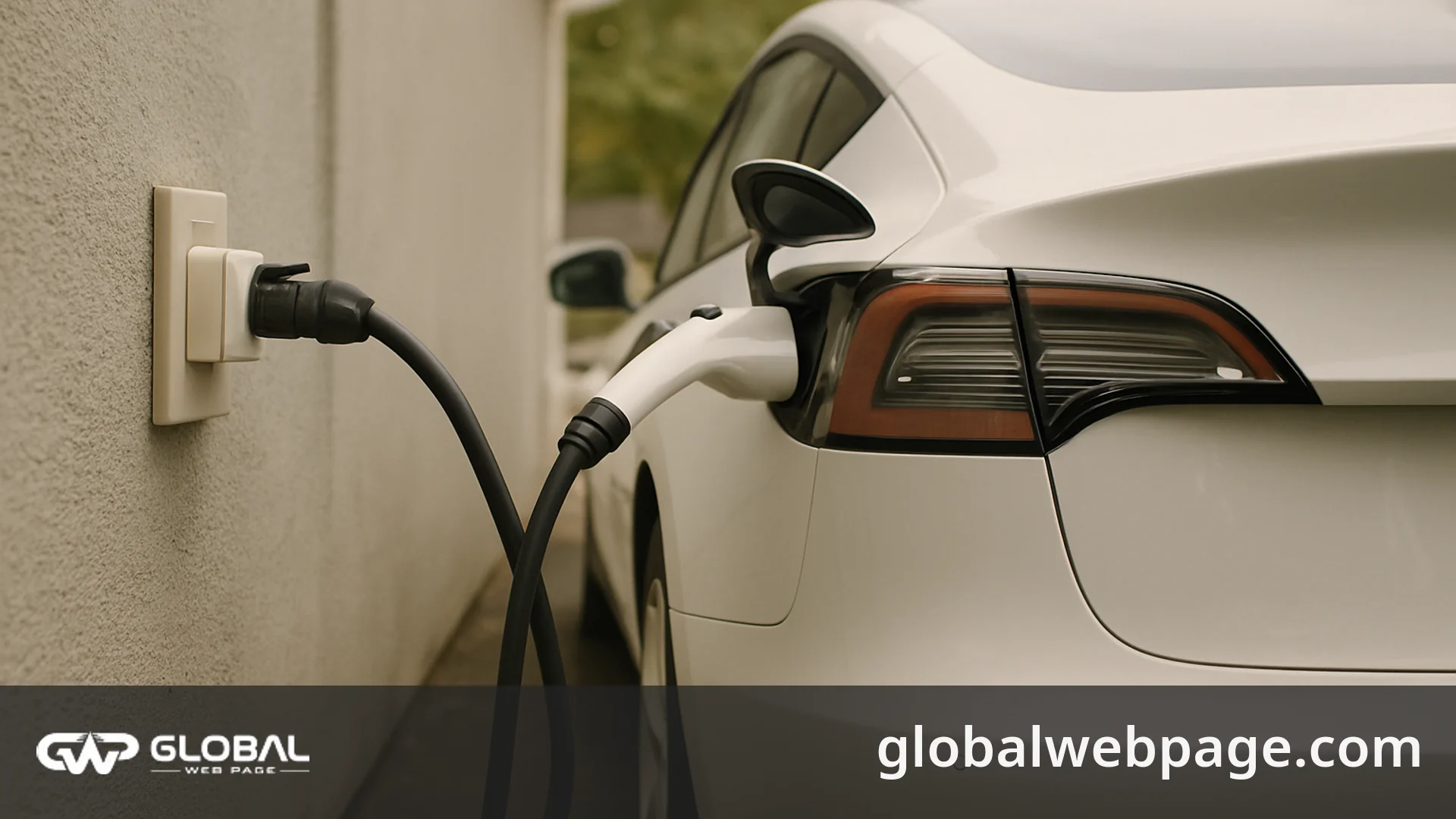
Can You Charge an Electric Car From a Regular Outlet?
Yes, most electric cars can charge from a regular household outlet with compatible equipment. Learn how fast it works, when it is practical, and which safety checks matter.
Key takeaways
- Most EVs can use a household outlet with compatible portable charging equipment and a suitable electrical circuit.
- A typical 120-volt connection adds about 2–5 miles of range per hour; 230-volt household charging can be faster.
- Outlet condition, grounding, circuit capacity, and required electrical protection matter more than whether the plug fits.
- Compare your daily energy use with your available charging time to decide whether a regular outlet is enough.
- A dedicated home charger offers faster recovery and greater flexibility, especially for higher-mileage drivers.
Yes, you can charge most electric cars from a regular household outlet, provided you use a compatible portable charging unit and the outlet’s electrical circuit is suitable for sustained use. It is usually the slowest charging option, but it can cover modest daily driving without a dedicated home charging station.
The important distinction is that charging an electric car from a regular outlet is possible—not automatically suitable for every outlet, vehicle, or driving routine. Here is how to decide whether it works for you.
What You Need to Charge From A Household Outlet
An electric car does not connect to a wall outlet with an ordinary extension lead. You need a manufacturer-approved or appropriately certified portable EV charging unit, often called a portable EVSE. This equipment manages the connection and provides electrical safety functions; the vehicle’s onboard charger converts AC electricity into energy stored in the battery.
Before plugging in, confirm that:
- Your vehicle supports AC charging through the charging connector you plan to use.
- The portable charging unit supports your local supply voltage and outlet type.
- Any plug adapter is specifically approved by the charging-equipment manufacturer.
- The outlet is properly grounded, undamaged, and suitable for the charging load.
- The circuit has the protection required by local electrical regulations.
Not every new or used EV includes a portable charger. Check what comes with the vehicle before assuming you can plug in immediately.
A physically matching plug is not proof that an installation is safe. EV charging safety depends on the outlet, wiring, protective devices, and charging equipment working together.
How Fast Does A Regular Outlet Charge An EV?
Charging speed depends mainly on voltage and the current the equipment can safely draw. Battery temperature, vehicle efficiency, and charging losses also affect the result.
In North America, a standard 120-volt household outlet typically provides Level 1 charging. In countries with 230-volt household electricity, portable charging can be faster, although the safe current limit depends on local requirements and the installation.
| Charging Setup | Example Operating Current | Approximate Power From the Outlet | Typical Range Added per Hour |
|---|---|---|---|
| North American 120 V outlet | 12 A on a suitable 15 A circuit | 1.4 kW | 2–5 miles / 3–8 km |
| 230 V household outlet | 8–10 A, where permitted | 1.8–2.3 kW | 4–8 miles / 6–13 km |
| Dedicated 240 V home charging unit | 32 A on a suitable circuit | 7.7 kW | 20–30 miles / 32–48 km |
These are planning estimates, not guaranteed charging rates. Large SUVs, cold conditions, and cabin heating can reduce the range gained. Household sockets also vary substantially between countries; do not assume every 230-volt socket can safely supply the same current.
What Does That Mean Overnight?
At 120 volts and 12 amps, ten hours of charging draws about 14.4 kWh from the outlet. Less reaches the battery because of conversion losses and energy used by vehicle systems.
For many EVs, that translates to roughly 20–50 miles of added range. If your daily commute is short and you can plug in consistently, overnight EV charging may replace what you use each day.
A nearly empty battery is a different matter. Adding 36 kWh—the energy needed to move a 60 kWh usable battery from 20% to 80%—can take around 28–33 hours on a 1.4 kW connection under favorable conditions. Cold weather can extend that considerably.
Is It Safe to Use A Regular Outlet Every Day?
It can be, but daily charging places a sustained load on wiring and connections for many hours. An outlet that handles a lamp or vacuum cleaner without trouble may still be unsuitable for that workload.
Have a qualified electrician assess an older outlet, an unfamiliar circuit, or any installation you intend to use regularly. The assessment should cover wiring condition, grounding, circuit capacity, other connected loads, and required ground-fault or residual-current protection.
Follow These Practical Safety Rules
- Plug the portable charging unit directly into an appropriate wall outlet.
- Do not use power strips, multi-plug adapters, travel adapters, or ordinary extension cords.
- Follow the vehicle and charging-unit instructions, including any outdoor-use restrictions.
- Keep connections protected from standing water and physical damage.
- Support the charging equipment so its weight does not pull on the outlet.
- Avoid running other substantial loads on the same circuit while charging.
- Never increase a breaker’s rating without a proper assessment of the wiring and installation.
In the United States, continuous-load rules commonly limit charging on a suitable 15-amp circuit to 12 amps. A suitable 20-amp circuit may support 16-amp charging, but only with compatible equipment and the correct installation. Other countries apply different requirements.
Stop charging if you notice a burning smell, discoloration, melting, unusual heat, a loose connection, or repeated breaker trips. Do not repeatedly reset a tripping breaker and continue charging; have the cause checked.
When Is Household-Outlet Charging Enough?
The best test is your daily energy use, not your battery’s total capacity. You generally need to replace yesterday’s driving—not recharge an empty battery every night.
For example, suppose you drive 25 miles per day and your EV averages 3.5 miles per kWh. That requires about 7.1 kWh for driving, plus charging losses. A suitable 120-volt connection may replenish that during a long overnight parking period.
By contrast, an 80-mile daily route at the same efficiency uses about 23 kWh before charging losses. A normal overnight session on that outlet would not keep up.
Use this quick assessment:
- Find your typical daily mileage, including errands.
- Divide it by your vehicle’s realistic miles-per-kWh figure.
- Allow additional energy for charging losses and seasonal conditions.
- Compare that requirement with what your outlet can deliver during your parking window.
- Leave a buffer for unexpectedly busy driving days.
Using measured energy consumption from your own vehicle is more useful than relying solely on advertised range. In very cold weather, battery warming can consume a significant share of a low-power connection’s output.
When Should You Install A Dedicated Home Charger?
A dedicated home charging unit becomes more useful when you drive farther, have limited parking time, share charging between vehicles, or need to recover range quickly after a long trip.
It can also help you fit charging into a shorter off-peak electricity window. A household outlet may need more hours than your discounted tariff provides.
However, a faster charger does not automatically mean a lower electricity bill. Home EV charging costs depend primarily on energy consumed, your tariff, charging losses, and any installation expense. Check whether a time-of-use plan includes higher rates during other parts of the day.
Before installing a unit, ask an electrician about available electrical capacity, permits, cable routing, and load management. In apartments or shared parking areas, building approval, metering, and access arrangements may matter as much as charging speed.
The Bottom Line: Match Charging to Your Routine
A regular outlet can be a practical charging option for low-mileage drivers who park for long periods. Its main limitation is speed, while its main safety consideration is whether the electrical installation can reliably support a sustained load.
Start with compatible charging equipment and an assessed circuit. Then compare the range you actually recover overnight with the distance you normally drive. If the numbers leave little margin, a dedicated home charger is likely the more convenient choice.
For EV businesses explaining these decisions online, Global Web Page can help turn technical information into clear websites, useful charging guides, and search-friendly content. Discuss your digital project through our Customer Panel.